Why it Matters
In our day to day lives, very few of us come across a real life endangered specie. Most people, in fact, probably rarely think about the vast number of animals who are dancing on the line of eternal exstinction. However, the extinction of even one endangered species can significantly impact the world and our lives as human beings.
 | 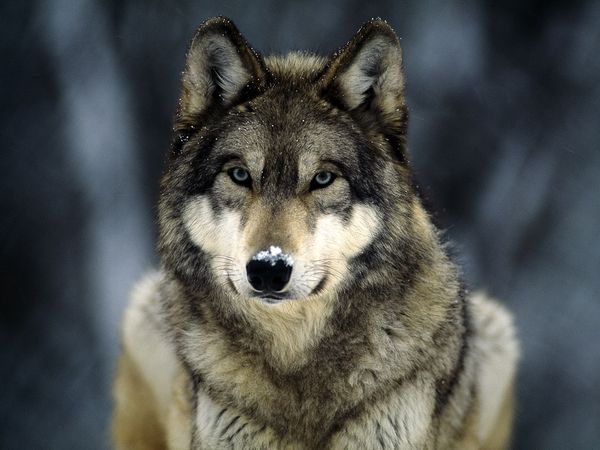 |  |
"Many endangered species are top predators whose numbers are dwindling due to conflicts with humans. We kill predators all over the world because we fear for our own lives as well as pets and livestock. We compete with them for prey, and we destroy their habitats to expand our communities and agricultural operations. Take, for example, the gray wolf. Before a mass extermination effort in the U.S. that decimated wolf populations in the first half of the 20th century, wolves kept other animals' populations from growing exponentially. They hunted elk, deer, and moose and also killed smaller animals such as coyotes, raccoons, and beavers.
Without wolves to keep other animals' numbers in check, prey populations grew larger. Exploding elk populations in the western United States wiped out so many willows and other riparian plants that songbirds no longer had sufficient food or cover in these areas, threatening their survival and increasing numbers of insects like mosquitos that the songbirds were meant to control.
"Oregon State University scientists point to the intricacy of the Yellowstone ecosystem," reported EarthSky in 2011. "The wolves prey on the elk, for example, which in turn graze on young aspen and willow trees in Yellowstone, which in their turn provide cover and food for songbirds and other species. As the elks' fear of wolves has increased over the past 15 years, elk 'browse' less--that is, eat fewer twigs, leaves, and shoots from the park's young trees--and that is why, the scientists say, trees and shrubs have begun recovering along some of Yellowstone's streams. These streams are now providing improved habitat for beaver and fish, with more food for birds and bears."
Information provided by: http://www.fws.gov/asheville/pdfs/why_save_endangered_species.pdf and http://endangeredspecies.about.com/od/extinctionpastandpresent/a/Why-Does-It-Matter-If-Species-Go-Extinct.htm